Creating a Comfortable Indoor Pool Environment with Effective Moisture Control
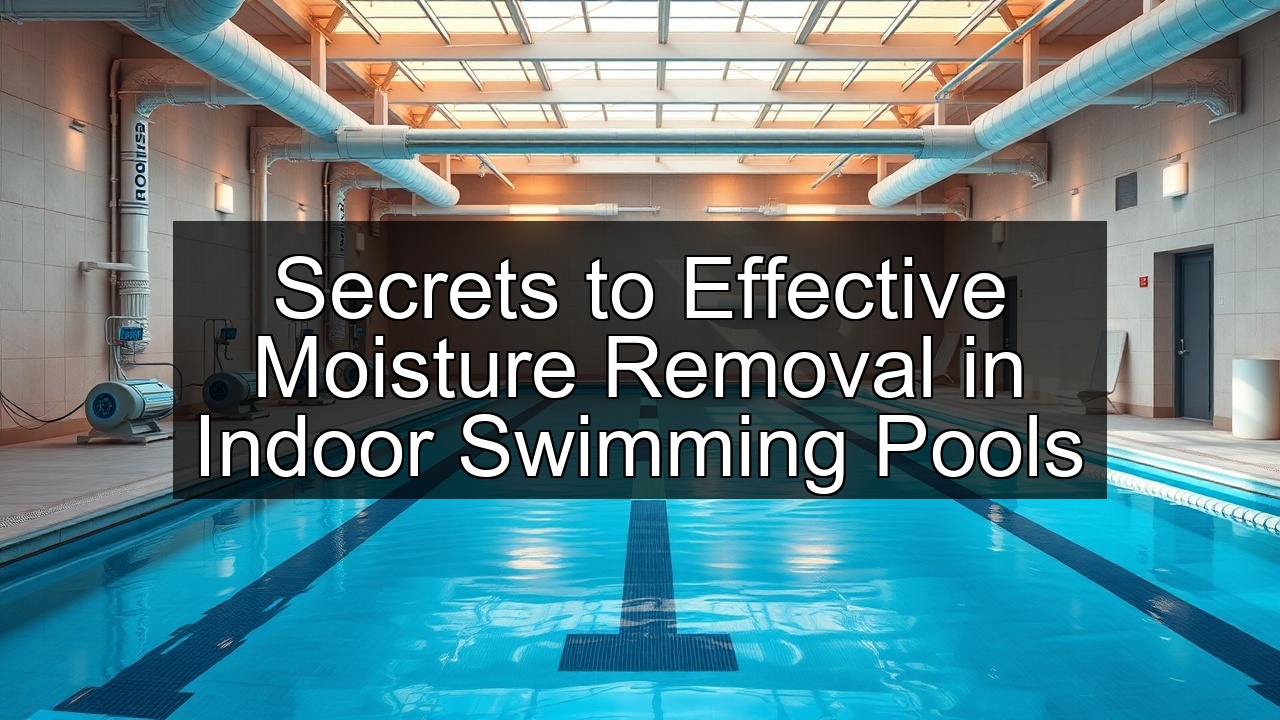
Understanding the Importance of Moisture Control in Indoor Pools
The Role of Relative Humidity in Indoor Pool Environments
Relative humidity dictates the comfort and longevity of any indoor pool setup. In natatoriums, where warm water evaporates constantly, humidity levels spike without proper management. This evaporation process releases moisture into the air, turning the space into a steamy chamber if unchecked. Swimming pool dehumidifiers play a crucial role here, pulling excess moisture to maintain balanced relative humidity. Ideal levels hover between 40% and 60%, preventing the air from feeling oppressive or leading to structural damage. High relative humidity encourages condensation on walls, ceilings, and even the cement floors, fostering an environment ripe for mold growth. Facility managers often overlook how this humidity affects daily operations, from swimmer experience to maintenance costs. By monitoring relative humidity with sensors, owners ensure the air stays fresh and inviting. Dehumidification systems target this metric directly, recycling humid air through coils or desiccants to extract water vapor. In commercial swimming pools, where crowds gather, spikes in humidity demand robust solutions like heavy duty swimming pool dehumidifiers. These units handle the load from multiple swimmers, keeping the room dehumidified and operational. Without attention to relative humidity, indoor pools risk becoming uncomfortable zones that deter visitors. Effective humidity control transforms them into welcoming retreats, enhancing overall enjoyment and safety.
Experts emphasize integrating relative humidity data into routine checks. Tools like hygrometers provide real-time information, alerting staff to adjustments needed. In residential indoor pools, even smaller setups benefit from understanding this dynamic. Water temperature influences evaporation rates, so pairing heaters with dehumidifiers optimizes the balance. Natatorium design incorporates high ceilings and sealed envelopes to contain moisture, but active intervention remains essential. Swimming pool dehumidification isn't just about comfort; it preserves equipment like water filters and heaters from corrosion. Long-term, controlled relative humidity reduces energy bills by minimizing the workload on HVAC systems. Facilities that prioritize this see fewer disruptions and happier users, proving the value of proactive moisture management.
Impact of Humidity on Health and Comfort
Excess humidity in indoor pools directly threatens health and comfort, creating a breeding ground for airborne irritants. Swimmers and staff inhale damp air laden with chlorine vapors, which amplify respiratory issues like asthma flare-ups. High humidity slows evaporation from skin and suits, leaving users feeling clammy and fatigued. Mold thrives in these conditions, releasing spores that irritate eyes and throats. Comfort plummets as the air thickens, making sessions feel exhausting rather than refreshing. Swimming pool dehumidifiers mitigate these risks by lowering humidity, allowing fresh air circulation that eases breathing. Without them, natatoriums turn into saunas, discouraging regular use and impacting fitness goals. Children and elderly visitors suffer most, as prolonged exposure heightens dehydration risks despite the water presence.
Health agencies link poor indoor pool humidity control to increased sick days among frequent users. Condensation drips from ceilings, posing slip hazards on decks. Structurally, unchecked moisture warps wood elements and erodes cement surfaces, leading to costly repairs. Comfort improves dramatically with dehumidified air; temperatures feel even, and visibility clears for safer laps. Integrating dehumidifiers with ventilation ensures odors dissipate quickly, maintaining a pleasant atmosphere. For commercial swimming pools, this translates to higher attendance and positive reviews. Owners who invest in humidity control report fewer complaints about stuffy rooms. Energy-saving designs in modern dehumidifiers also keep operational costs down, balancing health benefits with practicality. Ultimately, effective moisture removal fosters a space where wellness thrives, not just survives.
Personal experiences from pool operators highlight the transformation. One facility noted a 30% drop in allergy reports after installing pool dehumidifiers. This underscores how humidity control influences not only immediate comfort but long-term user loyalty. By addressing these impacts head-on, indoor pools become health havens rather than hidden hazards.
ASHRAE Guidelines for Indoor Pool Humidity Levels
ASHRAE sets the gold standard for indoor pool humidity levels, recommending 50% to 60% relative humidity to balance comfort and conservation. These guidelines stem from extensive research on natatorium environments, where evaporation rates demand precise climate control. Exceeding 60% invites condensation and microbial growth, while dipping below 50% dries out air uncomfortably. ASHRAE advises integrating swimming pool dehumidifiers to achieve these targets, especially in heated indoor pools. For commercial setups, they stress sizing units based on water surface area and bather load. Ventilation rates should complement dehumidification, exchanging air at 6 to 10 changes per hour.
Following ASHRAE standards prevents issues like corrosion on steel reinforcements in cement structures. The organization provides detailed calculations for CFM requirements, ensuring dehumidifiers match the space's needs. Energy efficiency factors into their recommendations, promoting systems that recover heat from moisture extraction. Indoor swimming pool dehumidifiers compliant with these guidelines often feature built-in controls for automatic adjustment. Facility audits reveal that adherence reduces maintenance by 25%, as controlled humidity protects HVAC components. ASHRAE also addresses seasonal variations, suggesting higher dehumidification in winter to combat external cold air infiltration.
Implementing these guidelines requires expert input during design phases. Case after case shows facilities thriving under ASHRAE protocols, with users enjoying optimal conditions. For those seeking the best swimming pool dehumidifiers, look for ASHRAE-certified models that promise reliable performance. This framework not only safeguards health but elevates the entire indoor pool experience, making compliance a smart investment.
Choosing the Right Swimming Pool Dehumidifiers
Types of Dehumidifiers for Swimming Pools
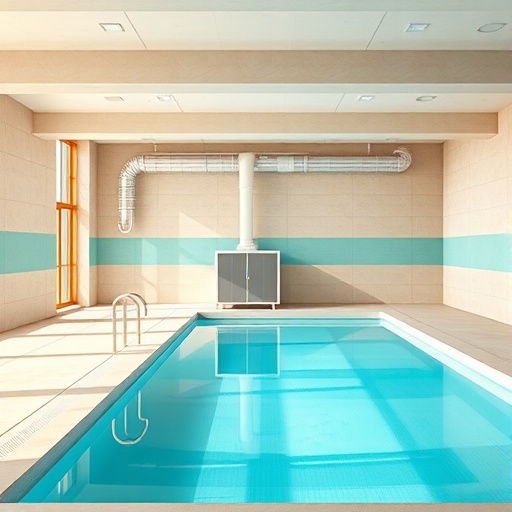
Swimming pool dehumidifiers come in various types tailored to indoor pool demands, from compact units for home setups to industrial models for public natatoriums. Refrigerant-based dehumidifiers cool air to condense moisture, ideal for moderate climates. Desiccant dehumidifiers use absorbent materials to trap water vapor, excelling in colder environments where refrigerant units falter. Pool-specific designs incorporate corrosion-resistant coatings to withstand chlorine exposure. Wall-mounted options save space in smaller rooms, while ceiling-suspended units handle larger commercial swimming pools efficiently.
For heavy duty applications, modular systems scale with facility size, integrating seamlessly into existing structures. Some include UV lights for air purification, enhancing overall indoor air quality. Residential users favor portable dehumidifiers for seasonal indoor pools, easy to store off-season. Commercial swimming pool dehumidifiers often feature remote monitoring, allowing managers to track performance from afar. Selecting the right type hinges on pool volume and usage patterns; for instance, high-traffic YMCAs opt for robust, continuous-operation models. These dehumidifiers not only remove moisture but also recirculate warmer air, reducing reliance on separate heaters.
Market leaders offer hybrid types combining both refrigerant and desiccant tech for versatile humidity control. User reviews praise units with quiet operation, essential for relaxing swim environments. By choosing pool dehumidifiers designed for natatoriums, owners ensure durability against constant humidity challenges. This variety empowers informed decisions, leading to customized solutions that fit any indoor pool scenario.
Desiccant vs. Refrigerant Dehumidifiers
Desiccant dehumidifiers outperform refrigerant models in low-temperature settings, using silica gel or similar materials to adsorb moisture without cooling the air. They maintain efficiency down to 30°F, perfect for year-round indoor pools in cooler regions. Refrigerant dehumidifiers, however, shine in warmer conditions, condensing water via chilled coils and often recovering heat for space heating. Desiccant units consume more energy but provide drier air, crucial for preventing mold in high-humidity natatoriums. Refrigerant types cost less upfront and suit budget-conscious residential indoor pools.
Comparing the two, desiccants handle heavy loads from hot tubs or therapy pools better, avoiding the frost issues that plague refrigerants in cold rooms. Many commercial swimming pool dehumidifiers blend both technologies for optimal performance across seasons. Maintenance differs: desiccants need periodic wheel regeneration, while refrigerants require coil cleaning to combat mineral buildup from evaporated pool water. Energy-saving desiccant models with heat recovery rival refrigerants in efficiency, especially when paired with heat pumps.
Facility operators weigh factors like installation space; desiccants often require ducting for air regeneration. For the best swimming pool dehumidifiers, experts recommend desiccants for precision humidity control in demanding environments. Refrigerants offer simplicity for straightforward dehumidification needs. Ultimately, the choice boils down to climate and pool specifics, ensuring effective moisture removal without compromising comfort or costs.
Factors to Consider: CFM, Energy Efficiency, and Size
CFM ratings determine a dehumidifier's airflow capacity, critical for matching swimming pool dehumidifiers to room volume. Calculate needs by multiplying pool surface area by evaporation factors, aiming for 10-20 CFM per square foot in natatoriums. Undersized units struggle, leaving humidity unchecked, while oversized ones waste energy. Energy efficiency, measured by L/kWh, highlights models that extract more water per kilowatt, slashing bills in 24/7 commercial operations. Look for units with ECM motors and heat recovery to maximize savings.
Size considerations extend beyond physical dimensions to capacity; a 500-pint unit suits mid-sized indoor pools, but larger facilities demand 1000+ pints daily. Factor in bather load—increased activity boosts evaporation, requiring higher CFM. Corrosion resistance ensures longevity in chlorine-rich air, protecting coils and fans. Integration with smart controls allows dynamic adjustments, optimizing energy use based on real-time relative humidity.
For heavy duty swimming pool dehumidifiers, prioritize modular designs that scale easily. Brands like NexGen offer high-CFM options with superior efficiency ratings. Residential buyers focus on compact sizes fitting standard rooms, while commercial needs demand rack-mounted systems for easy access. Balancing these factors yields a dehumidifier that controls moisture effectively, enhancing indoor pool viability long-term. Proper selection prevents common pitfalls, delivering reliable performance year after year.
Implementing Effective Dehumidification Strategies
Integrating Dehumidifiers with HVAC Systems
Seamless integration of swimming pool dehumidifiers with HVAC systems creates a unified climate control approach for indoor pools. Ducted setups route humid air from the natatorium through the dehumidifier before returning it to the HVAC loop, ensuring even distribution. This synergy prevents localized moisture pockets and optimizes energy use by preconditioning air. Sensors link the systems, triggering dehumidification when relative humidity climbs above setpoints. In commercial swimming pools, this setup handles peak loads from classes or events without overwhelming the HVAC.
Engineers recommend zoning controls to isolate the pool area, avoiding humidity spread to adjacent spaces like locker rooms. Heat recovery ventilators (HRVs) pair well, exchanging stale air while retaining warmth. For retrofit projects, modular dehumidifiers bolt onto existing HVAC units, minimizing downtime. Proper filtration, including water filters for condensed moisture, maintains system cleanliness. This integration reduces overall energy consumption by 20-30%, as dehumidifiers offload moisture tasks from the main HVAC.
Successful implementations feature automated balancing to adjust CFM flows dynamically. Owners report improved air quality and comfort, with fewer HVAC maintenance calls. By treating dehumidification as an HVAC extension, facilities achieve holistic humidity control, transforming indoor pools into efficient, enjoyable spaces.
Using Heat Pumps for Combined Heating and Dehumidification
Heat pumps revolutionize indoor pool management by combining heating and dehumidification in one efficient package. These systems extract heat from humid air during moisture removal, then redistribute it to warm the water or space. Ideal for natatoriums, they maintain 80-85°F air temperatures while targeting 50% relative humidity. Swimming pool heat pumps with built-in dehumidifiers handle evaporation from heated water, preventing energy loss. In colder climates, they outperform standalone units by recycling thermal energy.
Installation involves positioning the heat pump near the pool for direct air capture, with ducting to cover the entire room. Variable-speed compressors adjust output to match demand, enhancing energy saving. Commercial models support large volumes, integrating with pool heaters for comprehensive climate control. Maintenance focuses on coil inspections to ensure optimal heat transfer and dehumidification.
Users praise heat pumps for dual functionality, cutting costs on separate systems. A mid-sized facility might save thousands annually through this approach. For the dehumidifier for swimming pool needs, heat pump hybrids offer versatility, especially in energy-conscious designs. They elevate indoor pool efficiency, providing warmth and dryness without excess consumption.
Importance of Proper Ventilation in Natatoriums
Proper ventilation in natatoriums expels excess moisture and chemicals, complementing swimming pool dehumidifiers for complete air quality. Exhaust fans remove humid air at rates tied to pool size, typically 0.5 CFM per square foot minimum. Fresh air intake dilutes chlorine byproducts, reducing eye and skin irritation. Balanced systems prevent negative pressure that pulls in unfiltered outdoor air, maintaining controlled relative humidity.
In commercial settings, variable volume ventilation adjusts to occupancy, pairing with dehumidification to avoid over-drying. Ceiling fans enhance circulation, directing air toward dehumidifier intakes. ASHRAE endorses combining ventilation with humidity control to meet health codes. Poor ventilation leads to stagnant air, amplifying mold risks on cement walls.
Upgrading to energy recovery ventilators recovers heat from exhaust, boosting efficiency. Facilities with strong ventilation report healthier environments and lower dehumidifier pool moisture control from Dehumidifier Corp workloads. This strategy ensures natatoriums remain vibrant, safe spaces for all users, underscoring ventilation's role in effective moisture management.
Troubleshooting Common Indoor Pool Moisture Issues
Identifying Signs of Excess Humidity
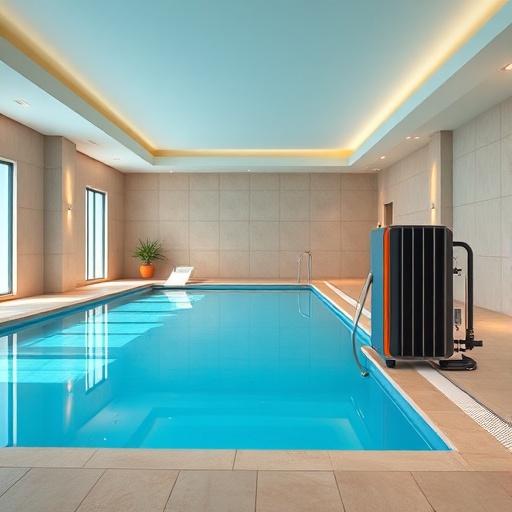
Spotting excess humidity early saves indoor pools from damage and discomfort. Visible condensation on windows, mirrors, or walls signals levels above 60% relative humidity. Musty odors indicate mold growth in hidden corners, while slippery decks from drips pose safety risks. Swimmers complain of foggy goggles and heavy air, hinting at poor dehumidification. Persistent dampness on towels or furniture points to inadequate swimming pool dehumidifiers.
Monitor with hygrometers; readings consistently over setpoint require immediate action. Corroded fixtures or rust on metal surfaces reveal long-term exposure. In natatoriums, ceiling stains from leaks mimic humidity issues, but true signs include uneven heating and increased energy use. Staff notice more frequent cleaning needs due to bacterial buildup in humid conditions.
Addressing these promptly prevents escalation. Regular logs track patterns, like spikes during high-use periods. For indoor swimming pool dehumidifiers, check filters and drains for clogs causing backups. Early identification keeps environments comfortable and equipment intact.
Common Problems and Solutions for Indoor Pools
Common moisture problems in indoor pools include unit failures, duct blockages, and improper sizing of dehumidifiers. Overloaded swimming pool dehumidifiers shut down from frost on coils in refrigerant models—solution: install pre-heaters or switch to desiccant types. Leaky pool covers increase evaporation; seal them tightly and use automated systems. High bather loads overwhelm ventilation—boost CFM and schedule dehumidifier cycles accordingly.
Mold on cement walls stems from poor airflow; enhance circulation with fans and clean regularly. Energy spikes signal inefficient operation—upgrade to energy-saving models with smart controls. Water filter clogs in condensate lines cause overflows; schedule monthly maintenance. For commercial pools, chemical imbalances accelerate corrosion—balance pH and integrate dehumidification with water treatment.
Troubleshooting extends to electrical issues like tripped breakers from overloads—hire certified techs. DIY checks include verifying thermostat settings and cleaning intakes. These solutions restore humidity control, ensuring reliable performance and user satisfaction.
When to Call in an Expert
Call an expert when DIY troubleshooting fails to resolve persistent moisture in indoor pools. Signs include dehumidifiers running constantly without dropping relative humidity, or unusual noises indicating mechanical failure. Complex integrations with HVAC or heat pumps demand professional diagnostics to avoid voiding warranties. If mold spreads despite cleaning, or energy bills soar inexplicably, specialists assess underlying issues like insulation gaps.
For commercial swimming pool dehumidifiers, experts ensure compliance with ASHRAE standards during audits. They handle sizing recalculations for expansions and recommend upgrades like NexGen technology for efficiency. In natatoriums, pros install sensors for precise monitoring, preventing recurrence.
Engaging experts early cuts long-term costs; they provide tailored solutions, from desiccant dryers to full system overhauls. Certifications guarantee safe, effective interventions, restoring optimal climate control swiftly.
Innovative Technologies for Enhanced Humidity Control
The Role of Smart Technology in Pool Climate Control
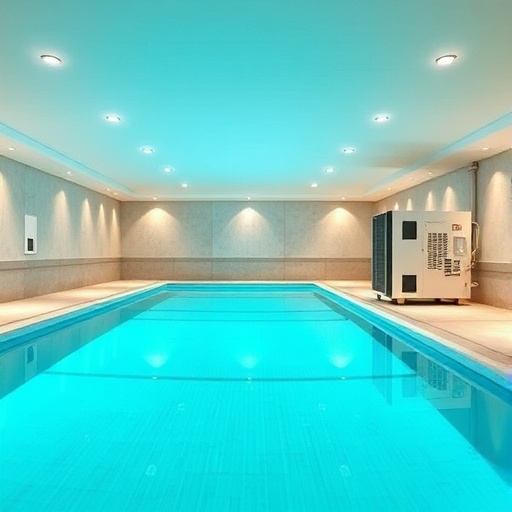
Smart technology transforms pool climate control, enabling remote management of swimming pool dehumidifiers via apps. IoT sensors track relative humidity, temperature, and air quality in real-time, adjusting operations automatically. Predictive algorithms anticipate evaporation spikes from weather or usage, optimizing dehumidification proactively. Integration with voice assistants allows hands-free commands, ideal for busy natatorium staff.
In indoor pools, smart systems link dehumidifiers, heaters, and ventilation for seamless synergy. Data analytics reveal patterns, like peak humidity during morning swims, guiding maintenance. Energy-saving features shut down units during low-use periods, reducing consumption by up to 40%. For commercial setups, cloud-based platforms enable multi-site oversight, ensuring consistent humidity control.
Users appreciate alerts for issues, like filter changes, preventing downtime. This technology elevates dehumidifier for pool efficiency, making advanced climate control accessible and intuitive.
Energy-Saving Solutions for Commercial Swimming Pools
Energy-saving solutions for commercial swimming pools focus on high-efficiency swimming pool dehumidifiers with variable-speed drives that match output to demand. Heat recovery tech captures warmth from dehumidification, redirecting it to pool heating or space conditioning. Desiccant dehumidifiers with solar regeneration cut electricity use in sunny locales. LED indicators and auto-cycle modes minimize idle runtime.
Modular designs allow phased expansions without full replacements, optimizing costs. Pairing with low-flow ventilation recovers energy from exhaust air. For large natatoriums, centralized systems distribute dehumidified air evenly, slashing overall power needs. Incentives from utilities reward these installations, accelerating ROI.
Facilities adopting these see 25-35% reductions in bills, funding further upgrades. Robust options like heavy duty units withstand constant operation while prioritizing sustainability.
Case Studies: Successful Implementation at YMCA and Other Facilities
At a YMCA in the Midwest, installing commercial swimming pool dehumidifiers integrated with heat pumps dropped humidity to 55% and cut energy use by 28%. The system handled 200 daily swimmers, eliminating condensation and mold complaints. Smart controls adjusted for class schedules, maintaining comfort without excess runtime.
A university natatorium adopted desiccant dehumidifiers, achieving ASHRAE compliance and saving $15,000 yearly on heating. Post-installation surveys showed 90% user satisfaction with air quality. Another hotel chain retrofitted indoor pools with NexGen technology, combining dehumidification and ventilation for seamless moisture removal.
These cases demonstrate scalable solutions: from residential tweaks to large-scale overhauls. Experts credit thorough planning and expert installation for successes, inspiring similar implementations worldwide.
See Also
- The Science Behind Swimming Pool Dehumidifiers and Energy Efficiency
- Energy Saving Tips for Heating and Dehumidifying Your Indoor Pool
- Innovative Solutions for Humidity Management in YMCA Indoor Pools
- A Comprehensive Guide to Swimming Pool Dehumidifiers for Commercial Use
- Troubleshooting Common Issues with Swimming Pool Dehumidifiers